The voyage that Climate Change makes possible.
Lisa Blair OAM aims to become the first person to sail a solo, non-stop, unassisted circumnavigation of the Arctic Circle for Climate Action Now.
Explore the project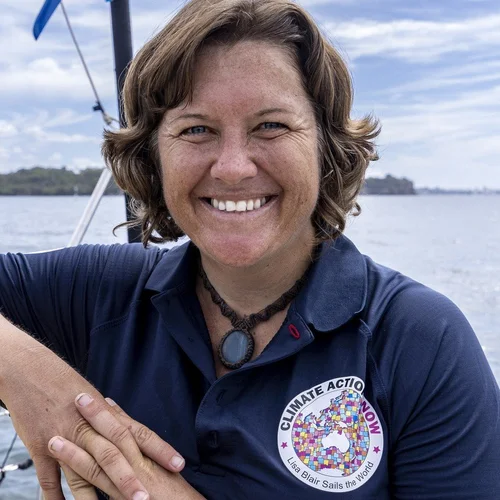
Meet Lisa Blair OAM
Solo sailor, climate advocate and holder of 8 world records, with 150,000 nautical miles under her keel.
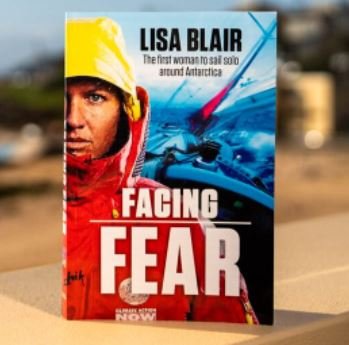
The fastest person to sail solo, non-stop and unassisted around Antarctica, Australia and New Zealand. Awarded the Order of Australia Medal in 2025, and now setting her course for the Arctic.
The expedition
12 people have walked on the moon. None have sailed the Arctic solo, yet.
In June 2028, Lisa will set sail from Sisimiut, Greenland, to attempt a world first: a solo, non-stop and unassisted circumnavigation of the Arctic Circle. Around 8,000 nautical miles in roughly three months, through both the Northwest Passage across the top of Canada and the Northeast Passage across the top of Russia, in a single season.
She will face drifting pack ice, North Atlantic storms, freezing water, polar bears and some of the most remote waters on Earth, with no one to call for help and no stopping. Sadly, this route is only open because the Arctic is warming four times faster than the rest of the planet. The disappearing ice is the message, and this expedition is the amplifier.
Lisa will sail a custom yacht built from basalt fibre and plant-based bio-resins, a recyclable alternative to fibreglass, powered 100% by renewable energy, with an onboard science lab collecting data the whole way round.
Far more than a world record
A bold mission to protect our oceans by inspiring COMMUNITIES with CLIMATE ACTION NOW, fuelling SCIENCE, and driving sustainable INNOVATION.

Inspiring Climate Action Now
- Sticky Note CampaignLive since 2015
- Action Stations schools programLaunching 2027
- Impact Events on iconic landmarksComing soon
Advancing ocean health
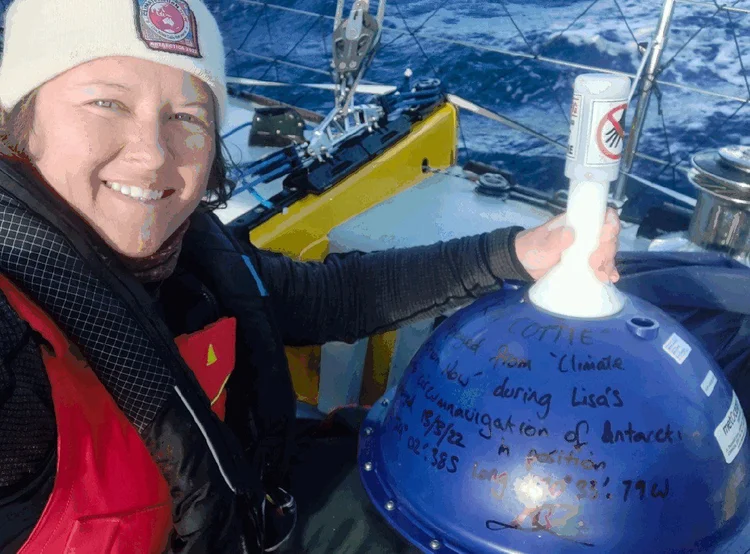
- Largest microplastic survey in Antarctic watersComplete
- Onboard lab: CO₂, pH, salinity, microplastics, eDNAAt sea 2028
- Drifter buoys & Seabed 2030 mappingAt sea 2028
Building a recyclable future
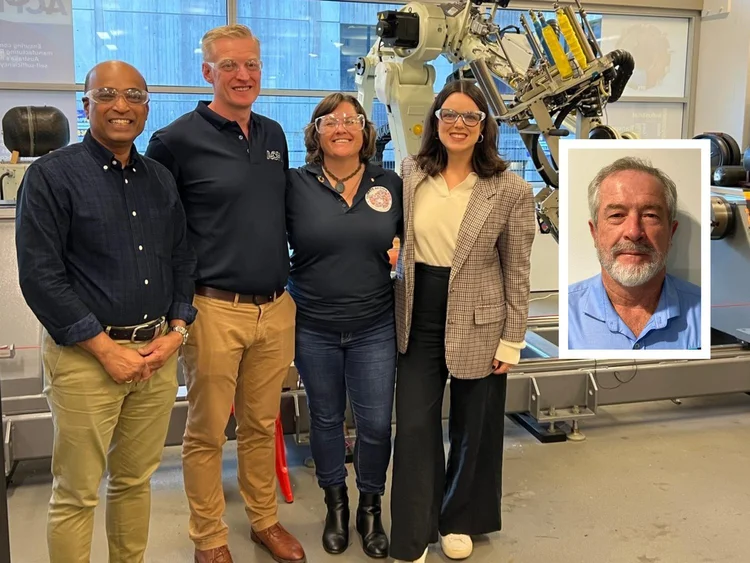
- $2M basalt + bio-resin researchUnderway
- Call for bio-resin suppliersOpen now
- 15-foot test hull, then the Arctic yacht2027
Three years of impact
2026
- UNSW composites research
- Vessel design
- Action Stations development
2027
- Vessel launch, UK
- First Impact Events
- Atlantic crossing
2028
- Record start, Greenland (June)
- 3 months live tracking
- Onboard science
2029
- Documentary premiere
- Open-source research
- School tours
Own a degree of history
The Arctic circumnavigation is 360 degrees.
Each one can carry a partner's name.
Your logo sits on the live tracker at your exact degree.
When Lisa sails across it, you get a real-time social callout and a blog feature.
Not a scheduled ad, a live tracking event.
$10,000 AUD per degree
3-year partnership (2026–2029)
First come, first served.
Proudly supported by
Our Arctic partners
Research partners




Thank you to our past sponsors →
Follow the mission
Sail with Lisa to the Arctic
Updates from the build, the research and the ocean, plus first invitations to Impact Events and live classroom crosses.
Sign up in the Subscribe box below, or follow along on Instagram and Facebook.
Climate Action Now
Add your climate pledge
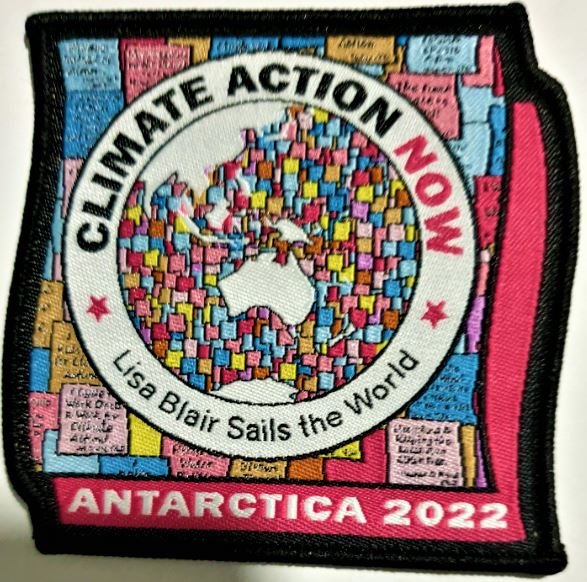
What are you already doing for the planet? Thousands of handwritten actions have sailed the world on Lisa's hull.
Pledge a climate action →